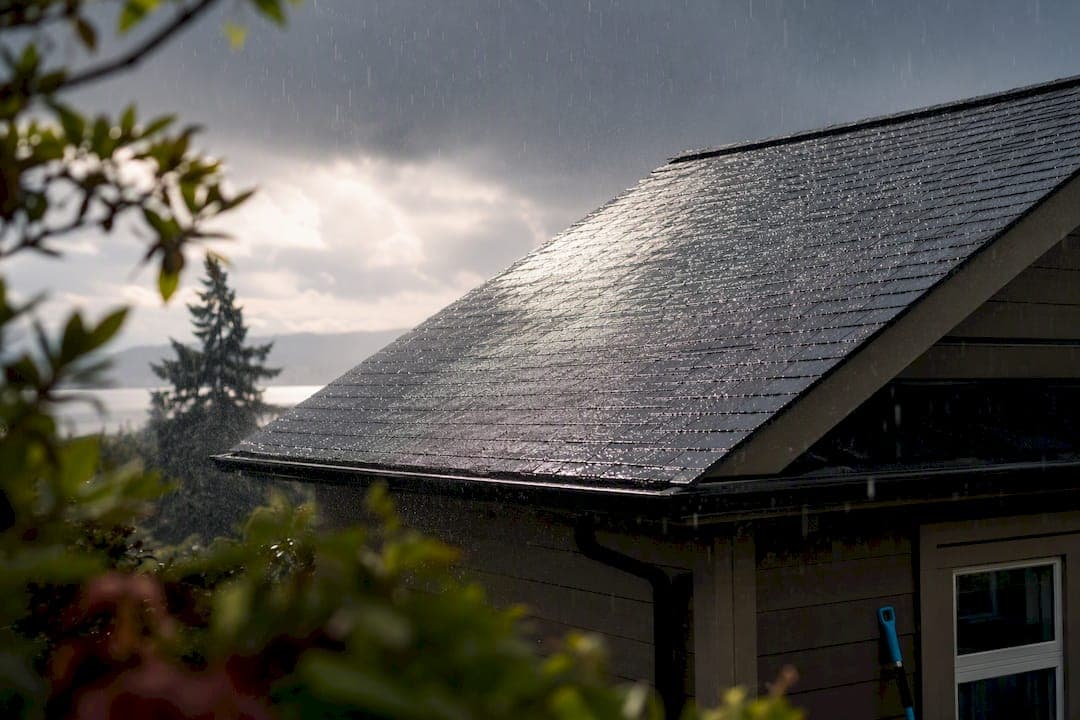
Soft washing in light, steady drizzle usually works out fine, but heavy rain, storms, or near freezing temperatures mean it's time to postpone. The reason comes down to dwell time and rinsing: your cleaning solution needs uninterrupted contact with algae and moss to do its job. When in doubt, check your provider's weather policy before you book.
TL;DR:
- Heavy rain or freezing temperatures disrupt the chemical dwell time needed for effective soft washing, making postponement advisable in those conditions.
- Light drizzle can extend surface dampness and help the solution work longer, but torrential rain before or after application usually requires redoing the treatment.
- The ideal timing for soft washing occurs in moderate weather, between 10°C and 32°C, during overcast mornings or late afternoons to maximize dwell time.
- Surfaces with visible moss, algae, or black streaks should be addressed promptly, as neglect accelerates wear and complicates future repairs.
- An experienced provider's weather policy and careful scheduling are crucial, especially for steep roofs, warranty-sensitive materials, or heavy moss buildup.
Table of Contents
- Quick checklist: should you soft wash today?
- Signs your property needs soft washing now
- How rain changes soft-wash chemistry and results
- Ideal timing: seasons, temperatures and best hours
- How often to soft wash by climate and surface
- Practical scheduling rules when rain is in the forecast
- How Island Moss Busters handles rain and moss guarantees
- What most homeowners get wrong about rain and soft washing
- When to call a pro for weather-sensitive soft washing
- Sources
- FAQ
Quick checklist: should you soft wash today?
Rain in the forecast doesn't automatically cancel your appointment, but it does call for a quick gut check before work starts.
- Check the forecast intensity and timing: light drizzle with a dry window afterward is workable, while heavy rain or an all-day soaker is not.
- Consider your surface type: asphalt shingles tolerate more moisture variation than porous render or freshly sealed decking.
- Watch the temperature: avoid scheduling near freezing, since cold slows chemical activity and can create ice hazards on ladders and rooflines.
- Ask about the weather policy: a good provider will explain how they handle rain delays, reapplication, and any guarantee terms tied to weather.
If two or more of these raise concerns, rescheduling is usually the safer call. A property that has waited months for a clean can wait a few more days for the right conditions.
Signs your property needs soft washing now
You don't need a forecast to tell you when your exterior needs attention. Visual cues usually get there first.
- Black streaks and algae patches on roofing, especially on north-facing slopes that hold shade and moisture longer.
- Green film on siding, common on vinyl and wood surfaces that stay damp under tree cover.
- Moss buildup along roof edges, valleys, and gutters, where debris traps water.
- Slippery, stained walkways and concrete, a sign of algae growth that becomes a safety issue in wet weather.
These aren't just cosmetic. Left alone, moss and algae hold moisture against roofing materials and siding, which can accelerate wear and, in some cases, complicate repairs down the line. Catching the signs early keeps the job simple: a straightforward soft wash instead of a bigger remediation project later.
How rain changes soft-wash chemistry and results
Timing around rain matters because of chemistry, not just comfort. Soft-wash solutions need time in contact with organic growth to break it down, and rain interferes with that process in two different ways depending on when it falls.
Before or during application, heavy rain can dilute the solution or rinse it off the surface before it has a chance to work, according to expert guidance on power washing in wet weather. Light, persistent drizzle is a different story: it can actually help by keeping surfaces damp and preventing solutions from flash-drying in sun or wind, extending the working window for surfactants.
Dwell time is the deciding factor. Trade guidance for at least one common biocide recommends a minimum activation window of 30 minutes to two hours depending on temperature and how established the growth is. Light rain shortly after a short activation period can sometimes still produce acceptable results, but torrential rain generally means redoing the treatment.

Rinsing matters just as much as timing. Manufacturer notes for one widely used product recommend rinsing after 30 to 60 minutes of contact time to clear salt residues that can otherwise affect surfaces, and the same guidance advises avoiding treatment if rain looks likely within the hour. That's the trade-off pros are managing on any borderline day: enough moisture to keep the solution active, not so much that it gets washed away before it finishes the job.
Ideal timing: seasons, temperatures and best hours
Spring and fall tend to be the most reliable windows for soft washing. Moderate weather in these seasons reduces the risk of flash-drying in summer heat or freezing in winter cold, and humidity levels usually sit in a range that supports steady chemical action rather than working against it.
Temperature matters more than most homeowners expect. A moderate window, roughly 10°C to 32°C, tends to give solutions time to activate properly without evaporating too fast or freezing before they can work. Extreme heat pushes solutions to dry before dwell time is complete, and near-freezing conditions slow the chemistry down to the point where results suffer.
Time of day counts too. Overcast mornings or late afternoons are usually better than direct midday sun, since intense heat and light speed up evaporation and shorten the effective dwell time. If your property gets full sun exposure, ask your provider whether they plan around that when scheduling your visit.
How often to soft wash by climate and surface
Frequency depends heavily on exposure and climate, not a single fixed rule. Properties in humid, shaded, or coastal conditions typically need attention more often than those in drier inland areas.
A well-executed soft wash on asphalt shingles can keep a roof visibly clean for two to four years, though coastal and high-humidity regions tend to land on the shorter end of that range because damp conditions encourage regrowth faster. Heavy tree cover, persistent shade, and north-facing exposures all shorten that window further, since those spots stay wet longer after every rain.

Siding, decks, and concrete surfaces generally benefit from an annual check, with a second wash mid-year in spots that see heavy shade or poor drainage. If your gutters clog regularly or your roof valleys stay damp for days after a storm, that's a sign your schedule should lean toward the more frequent end rather than waiting the full stretch.
Practical scheduling rules when rain is in the forecast
A few simple rules keep your soft wash on track even when the weather looks uncertain.
- Book with a provider that has a clear weather policy and explains how they handle delays before the day arrives.
- Ask for an inspection before work starts, so any moss, algae, or surface damage gets documented ahead of treatment.
- Expect a reschedule for heavy rain, lightning, or freezing temperatures, especially if your job involves coatings or sealants that need a dry cure.
- Understand the on-the-day adjustments pros make, including longer dwell times, extra rinsing passes, or a temporary stoppage if conditions shift midway through the job.
- Confirm safety steps, like ladder stability on wet surfaces and keeping clear of exposed electrical lines near the roofline.
Pro Tip: Ask your provider what their follow-up inspection looks like after a rain-affected job. A quick check a few days later confirms the treatment held and catches any spot that needs a touch-up before it becomes a bigger issue.
How Island Moss Busters handles rain and moss guarantees
We build our schedule around the forecast, not just the calendar. Before any roof or exterior job, our crews check conditions and note anything weather-related that could affect the result, so decisions about proceeding or rescheduling aren't a guess.
Our roof cleaning includes a two to two-and-a-half year moss return guarantee, and weather is one of the factors we account for when applying it. If rain compromises a treatment partway through, our approach is to inspect after the surface dries and address any spots that need another pass rather than leaving it to chance. That same roofing background shapes how we look at gutters, siding, and every surface we touch, since a thorough inspection catches problems a rushed job would miss.
What most homeowners get wrong about rain and soft washing
The biggest misconception is treating rain as a simple yes-or-no switch. It isn't. Light drizzle and heavy rain do almost opposite things to a soft wash: one can help keep solutions active, the other undoes the work entirely. Homeowners who cancel at the first mention of rain in the forecast often delay maintenance unnecessarily, while those who ignore heavy rain warnings risk paying for a treatment that never had a chance to work.
What matters most isn't finding a perfectly dry week. It's working with a provider who reads the forecast the way a tradesperson reads a material spec: checking intensity, timing, and dwell time together instead of reacting to a single rain icon on an app. Dwell time and rinsing are the two details that decide whether a soft wash succeeds, and they get far less attention than they deserve compared to the seasonal advice most articles lead with.
If you take one thing from this, prioritize the provider's weather protocol over the season itself. A well-timed job in a less-than-ideal month beats a rushed one squeezed into a "perfect" week.
— Island
When to call a pro for weather-sensitive soft washing
Steep roofs, warranty-sensitive materials, and heavy moss buildup are all situations where a trained crew makes the difference between a clean that lasts and one that needs redoing. The company schedules around the forecast, documents conditions before starting, and stands behind roof work with a moss return guarantee that accounts for weather along the way.

Whether you need a full roof cleaning and moss removal treatment, gutter cleaning before the wet season sets in, or a house washing visit timed around your local weather, our crews handle the scheduling calls so you don't have to guess. Book online or call 250 650 8123 to get on our calendar.
Sources
- Can You Power Wash in the Rain? Expert Advice & Tips
- Safe algae roof cleaning methods that actually work | ACME Pressure Washing
- What to do if it rains after soft washing with Benz Bio Cleanze?
FAQ
How long should you leave soft wash solution on before rinsing?
Dwell time typically runs from 15 to 20 minutes for asphalt shingle treatments, though some biocides need 30 minutes to two hours depending on temperature and how established the growth is. Rinsing too early cuts the treatment short, while waiting too long risks residue buildup on the surface.
Do you need to rinse the roof after soft washing?
Yes, rinsing is a required step, not optional. Manufacturer guidance recommends rinsing after 30 to 60 minutes of contact time to clear salt residues that could otherwise affect the surface if left too long.
How long does it take to soft wash a house?
The time varies with the size of the property and the extent of algae or moss buildup, since larger surfaces and heavier growth need more prep and dwell time. Most residential jobs are completed within a single day, including inspection, application, dwell time, and rinsing.
How often should a house be soft washed?
Most homes benefit from an annual soft wash, with roofs in humid or shaded areas sometimes needing attention closer to every two years depending on regrowth. A proper soft wash can keep a roof visibly clean for two to four years, though coastal and high-humidity regions tend to land on the shorter end of that range.