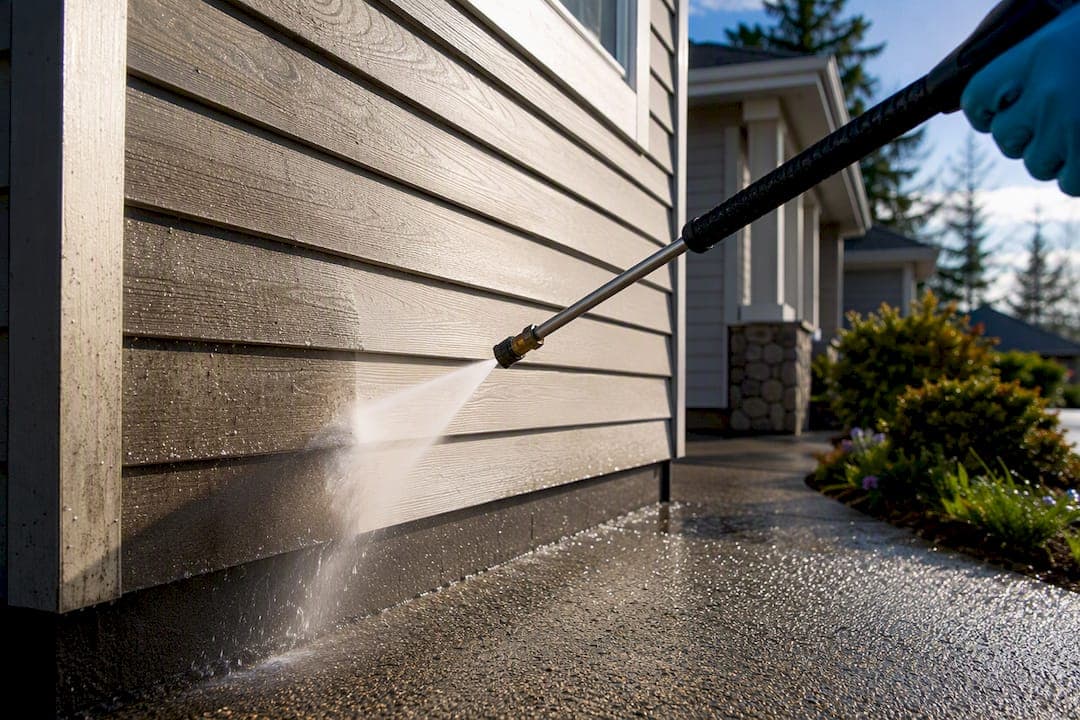
Late spring, right after the heaviest pollen drops, and early fall, before the first freeze, are the two windows that give you the best results with the least risk. Winter washing is usually a bad idea outside of specialized, frost-free jobs, and summer works in a pinch if you dodge the midday heat. Your exact timing still depends on your climate, your surfaces, and what you're actually trying to fix.
TL;DR:
- Pressure washing in spring and fall offers the best results, with timing depending on local pollen, weather, and surface conditions.
- Soft-wash methods are recommended for siding and roof cleaning in late spring or early fall to prevent damage and root growth.
- Most homes benefit from an annual professional wash, primarily in spring or fall, with shaded or humid properties possibly needing twice a year.
- Ideal weather conditions for pressure washing include overcast days with temperatures between 10°C and 27°C, avoiding wind, direct sun, and frost.
- DIY pressure washing is suitable for driveways and patios, but roofs and moss removal are safer when performed by professionals with proper equipment and safety protocols.
Table of Contents
- Why spring and fall are the best times to pressure wash
- Best timing for each surface: siding, roof, driveway, deck, and gutters
- What temperature and weather conditions are ideal?
- How often should you pressure wash, and what should you budget?
- How Islandmossbusters approaches soft-wash safety and timing
- Our take on when to actually book the job
- Book your seasonal wash with Islandmossbusters
- Sources
- FAQ
Why spring and fall are the best times to pressure wash
Spring and fall bookend the seasons that put the most grime on your house, so they're also the best times to take it off. In spring, you're washing away winter salt, sand, and grime that built up over months of storms and slush. You're also clearing your home before the humid stretch of summer, when mould and algae grow fastest.
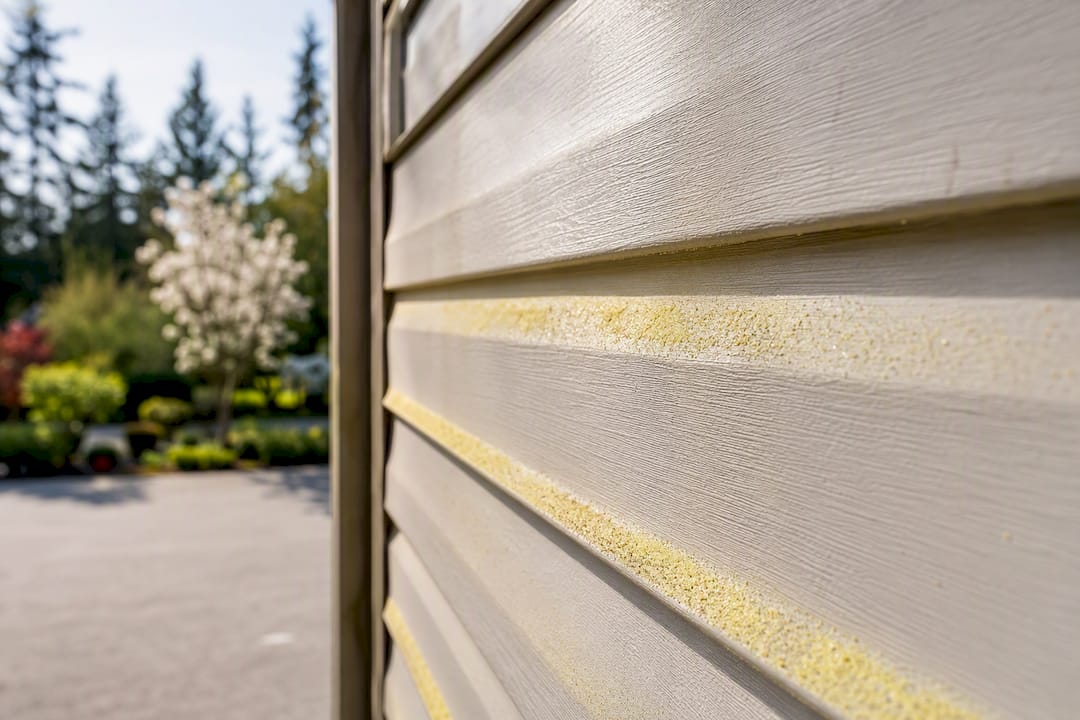
The catch with spring is timing it around pollen. Wash your siding or driveway too early and you'll be doing it again in three weeks once the trees finish dropping. Waiting until the primary pollen surge passes in your region means your results actually last, instead of getting buried under a fresh yellow dusting the week after your crew leaves.
Fall solves a different problem. Over summer, algae, mildew, and moss have had months to take hold on shaded roof sections and north-facing siding. If you leave that organic growth in place through winter, it gets trapped under snow and ice, and spring thaw only makes it worse. A fall wash strips that growth before it has a chance to root deeper into shingles or wood.
Here's how the four seasons stack up for exterior cleaning:
- Spring (mid to late season): Best for removing winter grime and salt, but wait out the pollen surge first.
- Fall (before frost): Best for stopping algae and moss before they get trapped under snow.
- Summer: Workable if you avoid peak heat and direct sun, but risk of streaking and fast-drying detergent is higher.
- Winter: Generally avoid, except for specialized frost-free jobs handled by a professional crew.
A practical seasonal range for temperate climates runs roughly from mid-April through early November, giving you plenty of runways to pick a window that fits your calendar and your local weather.
Best timing for each surface: siding, roof, driveway, deck, and gutters
Not every surface on your property wants the same treatment, or the same season. Here's how to sequence the work and pick the right method for each one.
- Siding. Soft-wash is the better call here, using low pressure and a cleaning solution rather than raw water pressure. Late spring or early fall both work well; delay if you're expecting a cold snap within a couple of days.
- Roof and moss. Moss grows in a mat that traps moisture against shingles, which is different from the thin algae film you see as black streaking. Soft-wash treats both without loosening granules, and fall is often the better window since it clears growth before winter rain locks it in place.
- Driveways and concrete. These durable surfaces can handle higher pressure than siding or roofing, and spring or fall both suit concrete well since there's no risk of forcing water behind cladding.
- Decks and wood. Avoid washing when the wood is already saturated from rain, and never wash right before a freeze. Time it a few dry days before you plan to stain or seal, so the wood can fully dry first.
- Gutters and windows. Clean gutters before you wash the roof, so debris doesn't wash into a channel you already cleared. Windows are typically last, once dust and detergent overspray from the rest of the job have settled.
Pro Tip: If you're pressure washing before painting, always finish at least 48 hours ahead so the surface has time to dry fully. Painting over damp siding or trim is one of the most common causes of peeling paint within a year.
What temperature and weather conditions are ideal?
Overcast, calm days between roughly 10°C and 27°C give you the best results with the least risk of streaking or damage. Extreme heat dries detergent before it can work, and freezing temperatures turn trapped water into cracks.
A few weather rules are worth checking before you book a date or grab your own washer:
- Check the overnight low, not just the daytime high. Freezing overnight can trap water in cracks and joints, where it expands and causes cracking or spalling on concrete and masonry.
- Pick a calm day. High wind scatters detergent before it has time to work and can blow spray onto neighbouring plants or vehicles.
- Skip direct, hot sun. It flash-dries cleaning solution on the surface, leaving streaks instead of a clean rinse.
- Give the surface a 24 to 48 hour dry window afterward, especially before staining, sealing, or painting.
Weather has real safety stakes too, not just cosmetic ones. The CDC's guidance on pressure washer safety flags wet, slippery surfaces and unstable footing on ladders as leading causes of injury, which is exactly what you get when someone rushes a wash between rain systems. Waiting for a proper dry, calm window isn't just about better results. It's about not ending your afternoon with a trip to urgent care.
How often should you pressure wash, and what should you budget?
Most homes need a professional wash once a year to stay ahead of grime, algae, and salt buildup. Homes in shaded lots or humid microclimates often need it twice, since moisture-loving growth comes back faster there than on a sun-exposed lot.
- Once a year: Standard baseline for most homes, ideally timed to spring or fall.
- Twice a year: Recommended for shaded, humid, or heavily treed properties where algae and moss return quickly.
- Time investment: A typical home takes roughly 2 to 4 hours for a full exterior wash, depending on size and how much detail work the siding needs.
- Cost factors: Square footage, siding material, moss or algae severity, and whether the job needs soft-wash equipment versus standard pressure all affect price.
DIY works fine for a driveway or patio with a basic pressure washer, but roofs, moss removal, and anything requiring soft-wash chemistry are safer left to a crew with the right equipment and insurance. A misjudged pressure setting on asphalt shingles can void a roof warranty in one afternoon, which costs a lot more than the wash itself would have.
How Islandmossbusters approaches soft-wash safety and timing
Soft-wash exists because high pressure isn't actually the goal. Killing algae, mildew, and moss at the root with the right cleaning solution and low pressure does more for your siding and roof than blasting it with water ever could, and it avoids forcing water behind panels or under shingles. That's the approach behind our roof cleaning and moss removal work, backed by a two to two and a half year moss return guarantee and Canadian made eco-friendly solutions.
Safety matters just as much as method. Following CDC guidance on pressure washer hazards, a solid pre-wash checklist looks like this:
- Clear patio furniture, planters, and anything loose near the work area.
- Check the forecast for wind, rain, and especially overnight frost.
- Cover or wet down sensitive plants near the foundation before spraying detergent.
- Confirm no freeze is expected for at least 24 to 48 hours after the wash.
Pro Tip: If you've got a big yard clean-up on the calendar too, tackle it before the wash crew arrives; a quick spring yard clean-up clears debris that would otherwise wash straight into your gutters or flower beds.
Our take on when to actually book the job
We tell most homeowners the same thing: spring and fall cover 90 percent of cases, and if you're only doing one wash a year, fall usually wins in a coastal, wet climate like ours. It clears the growth that would otherwise sit trapped under months of rain and cold, which is exactly the scenario that turns a light moss problem into a roof replacement conversation two years later. Spring still has its place for curb appeal, especially before a home sale or a summer of entertaining. But timing the job around what your roof and siding need to survive winter, rather than just what looks good in June, is the difference between a job you do once and a job you keep redoing.
— Island
Book your seasonal wash with Islandmossbusters
We offer expert guidance on the right season, pressure, and method for your siding, roof, or driveway, and emphasize using safe, eco-friendly solutions for exterior cleaning jobs.

Our crews cover house washing, driveway and exterior pressure washing, roof soft-wash and moss removal, and gutter cleaning across the Comox Valley, with service reaching Cumberland, Campbell River, Merville, Parksville, and Qualicum Beach. If your siding needs a proper soft-wash instead of a rental unit blasting bare pressure at it, start with our house washing page to see what's involved. Ready to get a date on the calendar before the season fills up? Call 250 650 8123 or book an inspection at Islandmossbusters and we'll walk your property with you before we quote anything.
Sources
The seasonal and safety guidance in this article draws on a few sources worth bookmarking if you want to dig deeper. The CDC's pressure washer safety guidance covers PPE, safe distances, and common equipment hazards. Popular Mechanics' guide to pressure washing a house walks through ideal weather and step-by-step method. The Wash Bros timing guide lays out month-by-month scheduling for temperate climates. Each one backs a specific claim made above, from frost risk to dwell time.
FAQ
What season is best for pressure washing?
Late spring, once the primary pollen surge has passed, and early fall, before the first freeze, are the two best windows. Fall is often the stronger pick in wet, coastal climates since it clears algae and moss before winter traps them against your siding or roof.
What time of year should you pressure wash your house?
Aim for a stretch of mild, overcast days with no rain in the forecast and no freeze expected for 24 to 48 hours afterward. In most temperate climates, that window falls roughly between mid-April and early November.
Do people pressure wash in winter?
Winter washing is generally not recommended because freezing temperatures can trap water in cracks and joints, where it expands and causes damage. Specialized, frost-free jobs are sometimes handled by professional crews who can monitor overnight lows, but it's not a season for DIY work.
How much does it cost to pressure wash a 1,000 sq ft house?
Cost depends on siding material, moss or algae severity, and whether the job needs soft-wash equipment, so pricing varies by property. Islandmossbusters provides quotes after an on-site inspection. You can request one through Islandmossbusters or by calling 250 650 8123.